
Key Takeaways
- Most items from a house clearance in Kamloops don’t end up in the landfill — they get sorted, donated, resold, or recycled
- Local charities like the Salvation Army and Habitat for Humanity ReStore accept gently used furniture and household goods
- Responsible junk haulers separate recyclables, metals, and e-waste from general trash
- Donating usable items keeps costs down and supports Kamloops families in need
- Knowing where your stuff goes gives you peace of mind during an emotional cleanout
You’ve just finished a house clearance in Kamloops — maybe you’re settling an estate in Sahali, helping aging parents downsize in Westsyde, or finally tackling that inherited property in North Kamloops that’s been sitting for months. The truck pulls away loaded with decades of belongings, and you’re left wondering: where does all that stuff actually go?
It’s a fair question. Nobody wants Grandma’s china cabinet ending up in the Kamloops landfill if someone else could use it. The good news? Responsible house clearance companies don’t just dump everything. There’s a whole sorting and distribution process that happens after we leave your driveway. Let’s walk through exactly how it works.
Step One: The Sorting Process at Our Facility

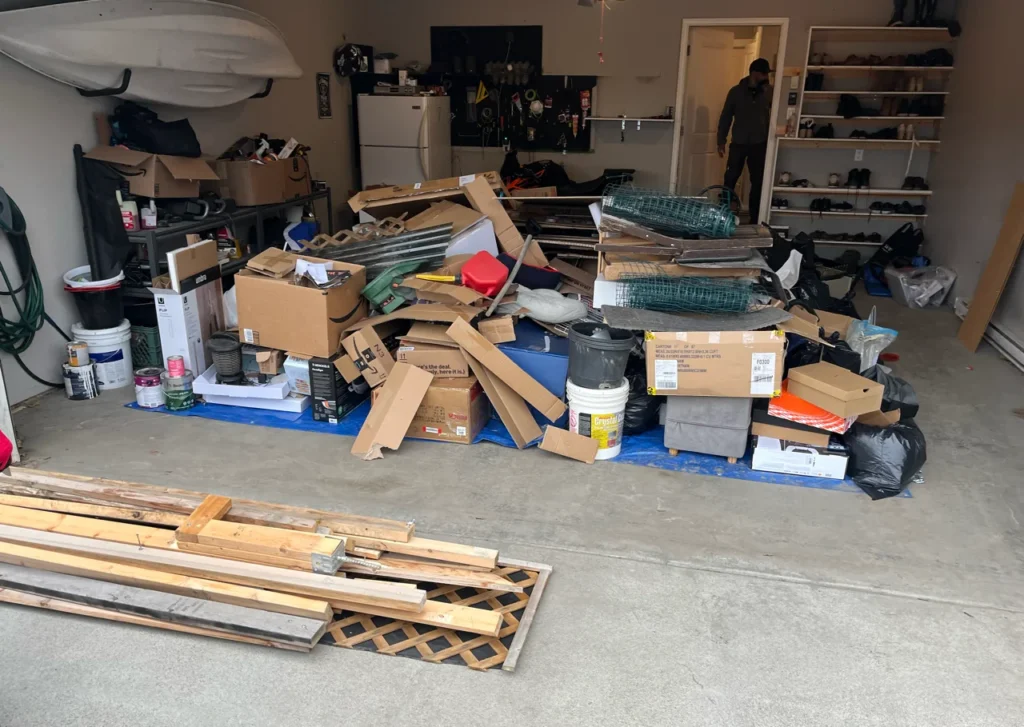
When our truck arrives back at base after a house clearance, the real work begins. Everything gets unloaded and sorted into distinct categories: donatable items, resale-worthy pieces, recyclables, scrap metal, e-waste, and actual garbage. It’s not glamorous, but it’s essential.
Furniture in decent condition goes into one pile. Working appliances get tested. Clothing and household goods get assessed for quality. Anything with visible damage, mould, or pest issues gets flagged for proper disposal. We’re not just eyeballing this stuff — years of experience tell us what local charities will accept and what they’ll turn away.
The sorting process typically takes a few hours for a standard house clearance. Larger estate cleanouts from homes in areas like Pineview or Aberdeen might take longer, especially when we’re dealing with antiques or specialty items that need extra evaluation. The goal is simple: keep as much out of the landfill as possible while being realistic about what’s actually reusable.
This sorting step is also where we catch items that require special handling — things like paint cans, propane tanks, or old electronics. These can’t go in the regular trash, and working with a licensed junk removal company ensures they’re disposed of properly according to BC regulations.
Where Donatable Items Actually End Up
Kamloops has several charities actively looking for gently used household goods. The Salvation Army Thrift Store accepts furniture, clothing, kitchenware, and small appliances. Habitat for Humanity ReStore takes building materials, tools, and larger furniture pieces. The ASK Wellness Society and local women’s shelters often need specific items for families starting over.
We’ve built relationships with these organizations over the years. When we pull a solid oak dining set from a house clearance in Batchelor Heights, we know exactly who needs it. When there’s a working washer-dryer pair from a Valleyview condo, it might go to a family transitioning out of homelessness.
According to Environment and Climate Change Canada, Canadians send over 3 million tonnes of textile waste to landfills annually. Diverting usable clothing and household textiles through donation makes a real dent in that number locally.
One thing to know: charities have standards. They won’t accept stained mattresses, broken furniture, or appliances that don’t work. Part of our job is knowing what meets the threshold and what doesn’t — so you’re not left wondering if your donations actually made it to someone in need.
The Resale and Recycling Stream
Not everything valuable goes to charity. Some items from house clearances have genuine resale value — vintage furniture, collectibles, working power tools, quality outdoor equipment. These pieces often end up at local consignment shops, online marketplaces, or specialty dealers.
For families handling an estate, this can actually offset clearance costs. We’ve pulled mid-century modern dressers from Sun Rivers homes that fetched decent prices. Older tools from garages in Rayleigh sometimes have collectors actively searching for them. It’s not a guarantee, but it happens more often than people expect.
Recyclables follow their own path. Cardboard, paper, and clean plastics go to the Kamloops recycling depot. Scrap metal — old bed frames, broken appliances, miscellaneous hardware — gets sent to metal recyclers who process it for reuse. E-waste like old computers, TVs, and small electronics goes to certified e-waste recyclers who handle the hazardous components properly.
If you’re curious about what Kamloops actually recycles, the City of Kamloops waste management page has current guidelines. The rules change periodically, and what was recyclable five years ago might not be today.
What Actually Goes to the Landfill

Let’s be honest — not everything can be saved. Some items from a house clearance genuinely belong in the landfill. Broken particle board furniture that’s falling apart. Mattresses with bedbugs or severe staining. Water-damaged upholstery that’s grown mould. Worn-out carpet and underlay.
The goal isn’t zero landfill — that’s not realistic. The goal is making sure only true garbage ends up there. A typical house clearance from a three-bedroom home in Campbell Creek might generate one or two truckloads of material total. Of that, we usually divert 60-70% away from the dump through donations, recycling, and resale.
This matters for environmental reasons, but it also matters for your wallet. Landfill tipping fees in Kamloops aren’t cheap. Every pound we divert is weight we’re not paying to dump — savings that keep our pricing fair. If you’ve ever wondered how rental property cleanouts work, it’s the same principle: efficient sorting keeps everyone’s costs down.
We’re also proud supporters of KidSport Kamloops, helping local kids access sports programs. When your house clearance results in usable sports equipment — hockey gear, bikes, camping stuff — we make sure it finds its way to families who can use it.
Why This Process Matters to Kamloops Families
House clearances are rarely just about stuff. They’re about transitions — losing a parent, downsizing after decades, moving away from Kamloops, or helping someone who can’t manage on their own anymore. The last thing you need during an emotional time is guilt about where everything ends up.
Knowing there’s a thoughtful process behind the scenes helps. That bedroom set from your childhood home? It might furnish a young family’s first apartment. The kitchen gadgets your mom collected? They could stock a charity thrift store that funds community programs. The scrap metal from the garage? It gets melted down and becomes something new.
We’ve cleared hundreds of homes across Kamloops — from compact apartments in North Kamloops to sprawling properties in Sun Rivers. Every one tells a story, and we take seriously the responsibility of handling what’s left behind. It’s not just hauling junk. It’s closing a chapter respectfully.
Ready for a House Clearance Done Right?
If you’re facing a house clearance in Kamloops and want to know your items will be handled responsibly, give us a call at (250) 571-6745. We’ll walk through the property with you, explain what can be donated or recycled, and give you a straightforward quote with no hidden fees. Book Kamloops Junk Haulers today for a free estimate and let’s make sure your stuff ends up where it should.