
Key Takeaways
- A fast, thorough turnover between tenants directly protects your rental income — every vacant day is a day you’re not collecting rent.
- If a tenant leaves belongings behind, BC law sets specific rules you must follow before disposing of them. You can’t simply throw everything out.
- Sorting the unit into keep-for-tenant, donate, recycle, and dispose keeps you compliant and keeps usable items out of the landfill.
- Hazardous materials left behind — paint, propane, chemicals — can’t go in regular waste and have specific Kamloops disposal requirements.
- A professional cleanout crew clears a typical unit in a day, letting you list, re-rent, or sell far faster than a DIY approach.
Introduction
Turning over a rental property is one of those jobs that always takes longer than you’d like — and in a rental market, time is money. Every day a unit sits full of a previous tenant’s leftovers is a day you can’t clean, repair, show, or re-rent it. Whether you’re a landlord with a single suite in Sahali, a property manager handling a portfolio across Kamloops, or an owner prepping a unit for sale, a fast and proper post-tenancy cleanout is what gets you back to collecting rent.
As the owner of Kamloops Junk Haulers, I’ve cleared out rental units all over the city — from tidy tenants who left a few boxes behind to units packed with furniture, appliances, and debris after a rough departure. This guide walks through how to handle a rental property cleanout the right way, including the part most landlords don’t realize until they’re standing in it: what BC law actually requires when a tenant leaves belongings behind.
Why Rental Cleanouts Aren’t Like Regular Junk Removal
A rental turnover has a wrinkle that a standard cleanout doesn’t: the stuff left behind often isn’t legally yours to throw away yet.
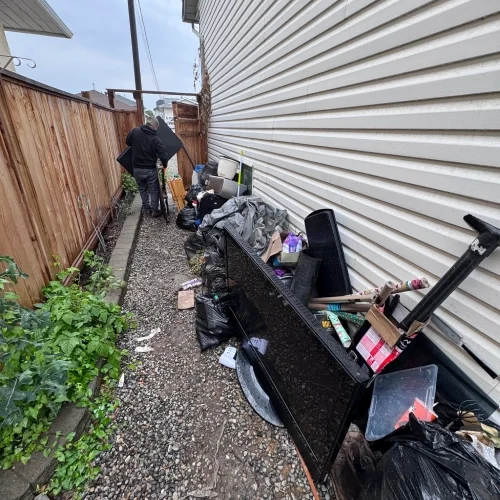
When a tenant moves out cleanly and takes everything, a cleanout is simple — you’re just clearing whatever they discarded. But when a tenant leaves furniture, boxes, or an entire unit’s worth of belongings behind, you’re now dealing with what BC law calls “abandoned personal property,” and there are rules about what you can do with it.
Get this wrong and you expose yourself to a dispute or a claim. Get it right and you protect yourself while still clearing the unit efficiently. That distinction is what makes rental cleanouts their own category.
What BC Law Says About Tenant Belongings Left Behind
This is the section every landlord should read before hauling anything to the dump. The rules come from BC’s Residential Tenancy Act and Regulation, and the Province of BC’s guidance on items left behind lays them out in full. Here’s the practical version.
When property counts as “abandoned.” The clearest case is when the tenancy has ended and the tenant has moved out. Property can also be considered abandoned if the tenant hasn’t paid rent or lived in the unit for at least one continuous month and has told you they aren’t coming back (or it’s unreasonable to assume they will).
You generally have to store it — but not always. As a rule, a landlord must store abandoned personal property for at least 30 days so the tenant has a chance to reclaim it. There are exceptions: if you reasonably believe an item is unsanitary or unsafe, or if the total market value of the property is less than $1,000, you may dispose of it in a commercially reasonable manner without the full storage period.
Higher-value property requires a notice of disposition. For property you can’t simply dispose of, you must give a notice of disposition and wait the required period before selling or discarding it. For higher-value or registrable items (like a vehicle), that can also mean checking the Personal Property Registry for anyone with a security interest.
You may be able to recover your costs. If a tenant later reclaims their property, you can generally require reimbursement for reasonable removal and storage costs, and you don’t have to return the property if the tenant owes you money under the tenancy agreement.
A practical note: these rules have specifics and exceptions, and they change. The Province’s page is the authoritative source, and for a high-stakes or unusual situation, it’s worth a quick call to the Residential Tenancy Branch or a legal professional before you dispose of anything valuable. This post is a starting point, not legal advice.
Where we come in is the part after you’ve determined what can go: the actual clearing, hauling, and proper disposal of everything that’s cleared for removal.
The Post-Tenancy Cleanout Process, Step by Step
Once you know what you’re legally clear to remove, the cleanout itself follows a straightforward path.
Step 1: Document the unit first. Before anything moves, photograph the state of the unit and anything left behind. This protects you in a deposit dispute and creates a record of the property’s condition and any abandoned items.
Step 2: Separate anything the tenant may be entitled to reclaim. If there are belongings that fall under the abandoned-property rules, set them aside for storage rather than mixing them into the disposal pile. This is the step that keeps you compliant.
Step 3: Sort the rest into donate, recycle, and dispose. Usable furniture, appliances, and household goods that are clearly yours to clear can be donated locally. Metals, electronics, and cardboard go to recycling. Genuine garbage and unusable items go to proper disposal.
Step 4: Flag hazardous materials. Paint cans, propane tanks, batteries, and cleaning chemicals can’t go in regular waste. The City of Kamloops has specific requirements for hazardous material disposal, and these need to be separated out rather than tossed in with general junk.
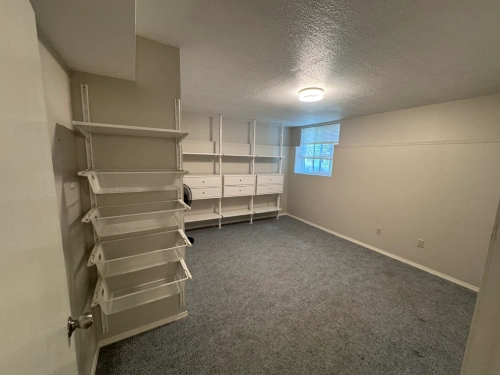
Step 5: Clear, then clean. With the unit emptied, you’re ready for cleaning, repairs, and turnover. The faster you get here, the faster you re-rent.
Handling a Bad Turnover
Not every turnover is a few boxes. Sometimes a tenant leaves in a hurry, or after an eviction, and the unit is packed — furniture, appliances, garbage, sometimes months of accumulation. For a sense of what clearing that kind of volume involves, our guide on how to get rid of large amounts of waste in Kamloops breaks it down. These are the jobs that eat entire weekends if you try to do them yourself with a pickup truck and a couple of dump runs.
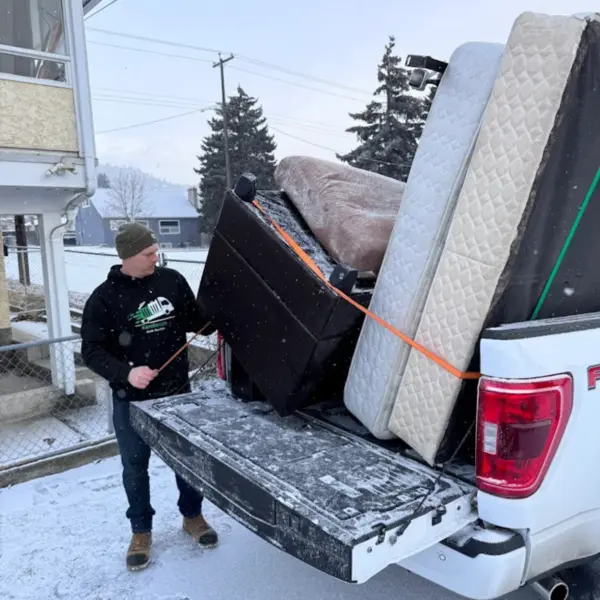
This is exactly where a professional crew earns its keep. Our house clearance service is built for exactly this kind of full-unit turnover. We regularly clear packed units across Kamloops — Pineview, Aberdeen, Westsyde, North Kamloops — in a single day, sorting for donation and recycling as we go, and hauling everything to the right place. For a landlord, that day saved is a week of vacancy avoided.
What About Cost?
Rental cleanout costs depend on volume, weight, and access. A near-empty suite with a few items left behind is a small job; a fully packed unit with heavy furniture, appliances, and a full storage locker is a larger one. Basement and upper-floor units take longer to clear than main-floor ones, and any hazardous materials add disposal requirements.
We provide free on-site quotes with no obligation, and the price we quote is the price you pay — no hidden fees. For a landlord weighing the cost against vacancy loss, a same-day professional clearout almost always comes out ahead of dragging the job across multiple weekends.
Frequently Asked Questions
Can I just throw out everything a tenant leaves behind?
No. Under BC’s Residential Tenancy Act, belongings left behind may count as abandoned personal property, which generally must be stored for a period before disposal, with some exceptions for low-value, unsanitary, or unsafe items. Check the Province’s guidance on items left behind before disposing of anything, especially anything of value.
How long do I have to keep a tenant’s abandoned property?
The general rule is at least 30 days of storage so the tenant can reclaim it, though there are exceptions — for example, property with a total market value under $1,000, or items that are unsafe or unsanitary. For anything valuable, confirm the current rules or check with the Residential Tenancy Branch before acting.
Can I charge the tenant for the cleanout?
In many cases you can require reimbursement for reasonable removal and storage costs if the tenant reclaims the property, and you may be able to apply what the tenant owes you under the tenancy agreement. The specifics depend on the situation, so it’s worth confirming your position before assuming.
How fast can a rental unit be cleared?
Most units can be cleared in a single day once you’ve determined what’s cleared for removal. Larger or packed units may take longer, but professional crews move far faster than a DIY approach with a personal vehicle.
Do you handle eviction and foreclosure cleanouts too?
Yes. Post-eviction and foreclosure units are common rental-turnover situations, and they often involve the same abandoned-property considerations plus a larger volume. If you’re instead clearing a home after a death or a family member’s move, our estate cleanout guide covers that situation.
Get the Unit Cleared and Back on the Market
A rental turnover is a race against vacancy, and a slow cleanout is the part that most often holds it up. Once you’ve handled the legal side of any belongings left behind, the clearing itself doesn’t have to cost you weekends or extra vacancy.
If you’re a landlord or property manager facing a rental cleanout in Kamloops, we can help you clear the unit quickly and dispose of everything properly. Call Kamloops Junk Haulers at (250) 571-6745 or visit kamloopsjunkhaulers.ca for a free on-site quote. We serve landlords across Sahali, Pineview, Aberdeen, North Kamloops, Westsyde, Valleyview, and everywhere in between — and we’ll get your unit empty and ready to re-rent.